This 7 Days Tour from Rabat to Marrakech showcases Morocco’s most iconic destinations. Experience the blue streets of Chefchaouen, the historic medina of Fes with a guided tour, the golden dunes of the Sahara Desert with camel rides, traditional Berber villages, the dramatic High Atlas Mountains, and the UNESCO-listed Ait Ben Haddou Kasbah. Travelers will enjoy a mix of cultural immersion, scenic landscapes, and authentic Moroccan experiences, from bustling souks to tranquil desert nights, making this an unforgettable exploration of Morocco’s heritage, nature, and vibrant lifestyle.
Upon arrival in Rabat, your professional English-speaking driver will welcome you and assist with your luggage, beginning your Moroccan adventure. You depart north toward the Rif Mountains, leaving the capital behind while traveling through fertile plains, small villages, and gently rolling countryside.
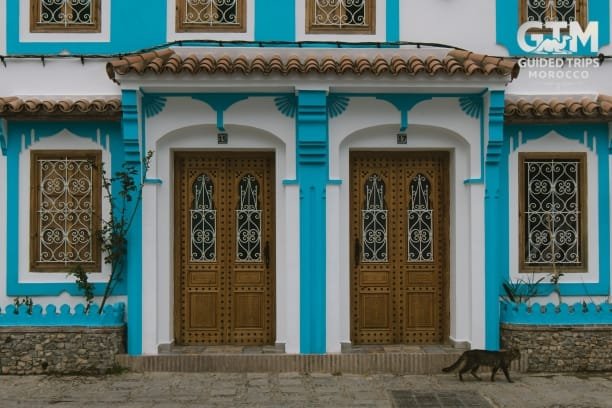
The road gradually climbs into scenic mountain landscapes, offering glimpses of traditional rural life along the way. By early afternoon, arrive in Chefchaouen, Morocco’s famous Blue City, known for its tranquil streets, vibrant blue walls, and serene mountain backdrop. Spend the afternoon strolling through the medina, discovering artisan shops, and capturing photographs. Overnight stay in Chefchaouen.
After breakfast, leave Chefchaouen and drive toward the ancient Roman ruins of Volubilis. Here, explore well-preserved mosaics, stone arches, and remnants of the city that once served as a provincial Roman capital. Continue to Meknes, one of Morocco’s imperial cities, where you visit monumental gates, historical medina streets, and royal landmarks.
After a lunch stop, the drive continues east across fertile plains toward Fes. Arriving in the late afternoon, check into your traditional riad and enjoy a peaceful evening. Fes’s historic charm, ancient medina, and evening ambiance offer a perfect introduction to Morocco’s spiritual capital. Overnight in Fes.
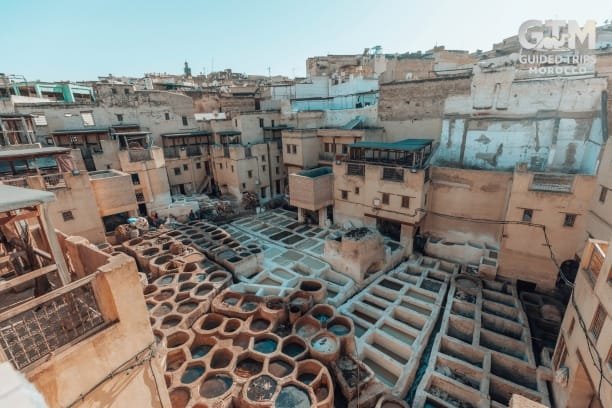
Today, discover the cultural heart of Morocco with a licensed local guide on a walking tour of Fes. Explore the UNESCO-listed medina, navigating narrow alleys lined with artisan workshops, vibrant souks, and centuries-old buildings. Highlights include the Bou Inania Madrasa, Al Quaraouiyine University, and the famous leather tanneries, where traditional techniques continue today.
The guide shares stories of Moroccan history, religion, and local craftsmanship, offering insight into daily life that has remained largely unchanged for centuries. After lunch at a traditional restaurant, enjoy panoramic viewpoints overlooking the medina before returning to your riad. Evening at leisure. Overnight in Fes.
An early morning departure takes you south through the Middle Atlas Mountains. Stop in Ifrane, a picturesque town with alpine-style architecture and lush surroundings, often called “Little Switzerland.” Continue to Azrou’s cedar forests, home to Barbary macaques among ancient trees.
After lunch in Midelt, the scenery transforms as green valleys give way to rocky plateaus and desert landscapes. By late afternoon, the golden dunes of Merzouga rise on the horizon. Experience a camel trek at sunset across the Erg Chebbi dunes, followed by dinner and overnight in a desert camp, under the starlit Saharan sky.
Dedicate the day to exploring the Sahara Desert and its surrounding areas by 4×4 vehicle. Visit nomadic families to learn about traditional desert lifestyles and the resilience of local communities. Explore Khamlia village, home to the famous Gnawa musicians, whose African-inspired rhythms provide a cultural soundtrack to the desert.
Stop at desert oases, fossil-rich areas, and panoramic viewpoints to fully appreciate the vastness of Erg Chebbi. Lunch is served in a local setting, offering authentic regional cuisine. The afternoon is flexible for walking, photography, or optional activities like sandboarding. Return to the camp for dinner and overnight.
Leave Merzouga after breakfast and head toward Rissani, historically a major caravan trading hub, still bustling with traditional markets and local life. Continue to the Todra Gorge, a striking natural wonder where sheer limestone cliffs rise dramatically above a narrow riverbed. Enjoy walking and photography in this impressive landscape.
After lunch, drive along the famous Road of a Thousand Kasbahs, passing fortified villages, lush palm groves, and scenic valleys. Arrival in the Dades Valley occurs in the late afternoon, providing time to unwind and enjoy the dramatic scenery. Dinner and overnight stay in the valley.
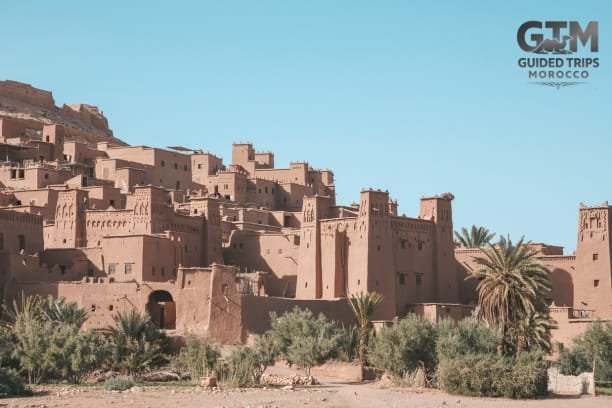
After breakfast, depart the Dades Valley toward the Rose Valley, celebrated for its fragrant seasonal rose fields and traditional cooperatives. Continue to the UNESCO World Heritage Site of Ait Ben Haddou Kasbah, an iconic earthen fortress featured in numerous international films. Explore the kasbah, marvel at its architecture, and capture panoramic views.
The route then ascends the High Atlas Mountains via the scenic Tizi n’Tichka Pass, stopping at viewpoints along winding roads. Descend into Marrakech in the evening, marking the end of your 7 Days in Morocco from Rabat. Check into your hotel or riad and relax after a memorable journey.

Mohamed provided an exceptional experience throughout our Morocco tour. His knowledge of local history, culture, and hidden gems made every stop fascinating and educational. He was punctual, attentive, and ensured our comfort at all times. From navigating bustling medinas to guiding us through the Sahara dunes, Mohamed’s professionalism and friendly demeanor made the journey seamless and memorable. His personal recommendations for food, photography spots, and local traditions enriched our trip. We felt safe, informed, and truly immersed in Morocco thanks to him.

Ali guided us on an unforgettable Moroccan adventure, demonstrating deep knowledge of the country’s history, culture, and landscapes. He managed logistics flawlessly while sharing insightful stories that enhanced every location we visited. His warm personality and attentiveness made long drives and desert treks enjoyable. From Fes medina to Sahara dunes, Ali ensured we experienced Morocco authentically and comfortably. His local tips for dining, sightseeing, and photography added significant value. We left the trip with lasting memories and a full appreciation of Moroccan life.
This trip is fully customizable! If the itinerary doesn’t quite fit your needs or doesn’t include a specific destination, please know that our team is ready to tailor the journey to your preferences. We are happy to create a trip just for you. Also, please note that as more people join the tour, the price per person decreases, while the transportation price remains fixed year-round.
It is generally advised to drink bottled water in Morocco to avoid stomach issues. Bottled water is widely available in shops, hotels, and restaurants. Always check that the seal is intact. Avoid ice unless you are sure it is made from filtered water. Drinking safe water ensures a comfortable and healthy journey, especially during desert or mountain excursions.
Yes, Moroccan souks are safe but busy and crowded. Keep an eye on your belongings and avoid carrying large amounts of cash. Bargaining is common and expected in markets. Visiting with a guide can enhance the experience by explaining local crafts, cultural etiquette, and helping navigate the narrow alleyways. Souks are vibrant, colorful, and perfect for buying souvenirs like spices, rugs, and pottery.
Major cities and tourist areas widely accept credit cards, but cash is preferred in markets, remote villages, and desert regions. ATMs are available in cities and larger towns, offering local currency (Moroccan Dirham). Always carry some cash for tips, small purchases, or rural excursions. Notify your bank before traveling to avoid card blocks and ensure smooth transactions.
A riad is a traditional Moroccan house with an inner courtyard or garden, often restored for guests. Riads offer an intimate, authentic experience, local decor, and personalized service. Hotels are larger, modern accommodations with standardized facilities. Staying in a riad gives cultural immersion, while hotels provide convenience and amenities. Many riads are centrally located in medinas, offering easy access to souks and historic sites.
Modest clothing is recommended, especially in rural areas, religious sites, and small towns. For women, covering shoulders and knees is advised; men should avoid sleeveless tops in conservative regions. Comfortable walking shoes are essential for medinas and uneven streets. Dressing respectfully shows cultural awareness and ensures a comfortable experience interacting with locals. Layers are recommended for mountain or desert excursions due to temperature changes.
The currency in Morocco is the Moroccan Dirham (MAD). It’s best to exchange money in advance or upon arrival, as many places don’t accept foreign currencies. ATMs are widely available in major cities.
Many countries can enter Morocco without a visa for stays of up to 90 days. However, it’s important to check visa requirements based on your nationality before traveling.
Morocco has a diverse climate. Coastal areas like Casablanca are mild, while the interior, such as Marrakech, can be very hot, especially in summer. The Atlas Mountains are cooler, and the desert can be scorching during the day and chilly at night.
When booking tours or accommodations, always check the cancellation policy. Many services require 24-48 hours’ notice for a full refund, but this can vary, especially during peak seasons.
Morocco is generally safe for solo female travelers, but it’s important to dress modestly, avoid secluded areas at night, and stay aware of your surroundings. Respect for local customs and culture can help ensure a smooth experience.
Arabic and Berber are the official languages in Morocco, but French is widely spoken. English is becoming more common in tourist areas, though learning a few basic phrases in Arabic or French can be helpful.